An Electrical Installation Condition Report (EICR) is a formal document that confirms whether a property’s fixed electrical installation is safe for continued use. It is produced following a detailed inspection and testing process carried out by a qualified and competent electrician.
The primary purpose of an EICR is to identify any deterioration, damage, or non-compliance within the electrical system that could pose a risk to occupants. Electrical installations naturally degrade over time, and regular inspections help ensure they remain safe, reliable, and compliant with current standards.
What Does an EICR Inspection Involve?
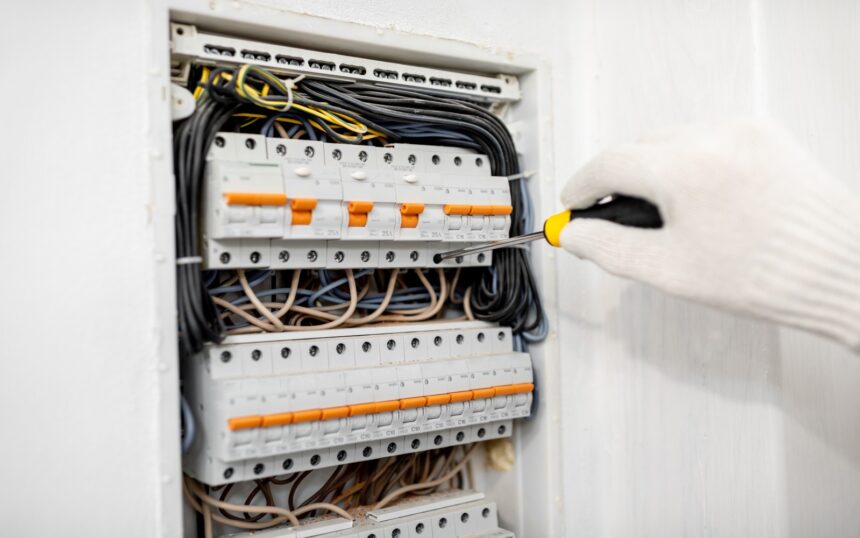
During an EICR inspection, the electrician will assess the condition of the property’s fixed electrics, including:
Internal wiring and circuits
Sockets, switches, and light fittings
Consumer units (fuse boards)
Earthing and bonding arrangements
Protective devices such as RCDs
Testing is carried out to check for issues such as overloaded circuits, faulty connections, inadequate earthing, or outdated components. The inspection is non-destructive where possible, although minor access may be required to fully assess safety.
Why Is an EICR Important?
1. Protecting People and Property
Electrical faults are one of the leading causes of domestic fires and electric shock incidents. An EICR helps identify hidden dangers before they result in injury, fire, or costly damage. Addressing issues early can significantly reduce long-term repair costs and improve overall safety.
2. Legal Requirements for Landlords (UK)
In the UK, landlords are legally required to obtain a valid EICR for rental properties under the Electrical Safety Standards in the Private Rented Sector (England) Regulations.
Landlords must:
Ensure an EICR is carried out at least every five years
Provide a copy of the report to tenants
Supply the report to local authorities if requested
Complete any remedial work identified within the required timeframe
Failure to comply can result in financial penalties and enforcement action.
3. Peace of Mind for Homeowners and Buyers
For homeowners, an EICR is not a legal requirement but is strongly recommended, particularly for:
Older properties
Homes that have undergone renovations
Properties being bought or sold
Electrical systems that have not been inspected for many years
An up-to-date EICR provides reassurance that the electrics are safe and helps prevent unexpected issues after moving in.
Understanding EICR Classification Codes
Any issues identified during the inspection are classified using standard observation codes:
C1 – Danger present: Immediate remedial action required
C2 – Potentially dangerous: Urgent improvements needed
C3 – Improvement recommended: Not unsafe but does not meet current standards
If a report includes C1 or C2 observations, the overall outcome will be marked as unsatisfactory, meaning remedial work is required before the installation can be considered safe.
How Often Is an EICR Needed?
Rental properties: At least every 5 years
Owner-occupied homes: Typically every 10 years
Commercial properties: Usually every 5 years or as specified by insurers
Additional inspections may be required following major electrical work or if damage is suspected.
Conclusion
An EICR is a crucial part of maintaining electrical safety in any property. Whether required by law or undertaken as a preventative measure, it helps protect occupants, reduce risk, and ensure compliance with modern safety standards. Regular inspections not only improve safety but also demonstrate responsible property ownership and management.